• Home
  • Services
    • Grey Squirrel Removal & Control
    • Brown Bat Removal & Control
    • Rodent Removal & Control
    • Raccoon Removal & Control
    • Opossum Removal & Prevention
    • Snake Removal & Prevention
    • Skunk Removal
    • Bird Removal & Control
    • Ground Mole Control
    • Dead Animal Removal
  • Contact Us
  • Booking
  • Reviews
  • FAQs
  • Verminator Blog
Expert Pest Control Solutions

Affordable Wildlife Services

Rodent Control & Removal

-The Norway rat is the most common pest species encountered in South Carolina
-Similar looking Roof Rats are also prevalent in South Carolina only slightly rarer than Norway rats
Fast, Effective Rodent Removal for Homes and Businesses Rodents like rats and mice are more than just a nuisance—they can damage your home, contaminate food, and spread dangerous diseases. If you’ve seen droppings, heard scratching in the walls, or spotted a rodent scurrying across the floor, don’t wait. At Verminator Wildlife, we offer expert rodent control services designed to quickly eliminate the problem and keep rodents from coming back. Norway rats can carry and transmit several serious diseases, including leptospirosis, salmonella, hantavirus, and rat-bite fever. Roof Rats can carry and cause those same diseases but with the addition of bubonic plague, famous for devastating European populations in the middle ages. These illnesses can spread to humans through direct contact with rat urine, droppings, bites, or contaminated food and surfaces. Signs of a Rodent Infestation Think you may have rodents in your home or building? Common signs include: Droppings in cabinets, pantries, or along baseboards Scratching or gnawing sounds in walls or ceilings, especially at night Chewed wires, insulation, food packaging, or drywall Greasy rub marks along walls and baseboards Strong urine or ammonia-like odor in enclosed spaces Rodents reproduce quickly, so early detection is key to preventing a full-blown infestation.
Comprehensive Rodent Control
Effective Pest Management Services
Rats are highly adaptable rodents that thrive in a wide range of environments, from urban centers to rural farms. The two most common pest species in North America are the Norway rat (Rattus norvegicus) and the roof rat (Rattus rattus). Nesting: Norway rats (also called sewer rats or brown rats) typically nest in burrows along foundations, in basements, crawlspaces, or sewers. Roof rats (also called black rats) prefer higher areas like attics, ceilings, and rafters. Diet: Rats are omnivores and opportunistic feeders. They'll eat grains, meats, fruits, pet food, garbage, and more. Activity: Nocturnal by nature, rats are most active at night. They are cautious and tend to follow established routes along walls and edges. Breeding: Rats reproduce quickly—females can have 6–12 pups per litter and up to 7 litters per year. A small infestation can grow rapidly if not addressed. Behavior: They gnaw constantly to wear down their ever-growing teeth, often damaging wiring, insulation, and structures. Rats leave behind greasy rub marks, droppings, gnaw marks, and urine trails along their travel paths.
  • Inspection and Identification: Identify droppings, chew marks, nests, and runways (paths they travel). Use tracking powder or cameras to monitor high-activity areas. Determine the species for targeted control—Norway rats vs. roof rats require different strategies. Exclusion (Rodent-Proofing): Seal all gaps and openings ¼ inch or larger with durable materials like steel wool, hardware cloth, or metal flashing. Install door sweeps, repair broken vents, and cover utility line openings. Trim tree branches away from roofs to prevent roof rat access. Sanitation: Eliminate food and water sources: store food in airtight containers, clean up crumbs, and secure garbage bins. Fix leaking pipes or standing water sources. Declutter indoor and outdoor spaces to remove nesting materials and hiding spots. Trapping and Removal: Use snap traps, glue boards, or electronic traps placed along walls, behind appliances, and in known runways. For larger infestations, trapping combined with baiting is most effective. Check traps frequently and dispose of rats properly. Rodenticides (Use with Caution): Bait stations with anticoagulant rodenticides may be used professionally in secure, tamper-resistant boxes. Avoid improper use to prevent harm to pets, wildlife, or humans. Dead rats can create odor issues and should be removed promptly
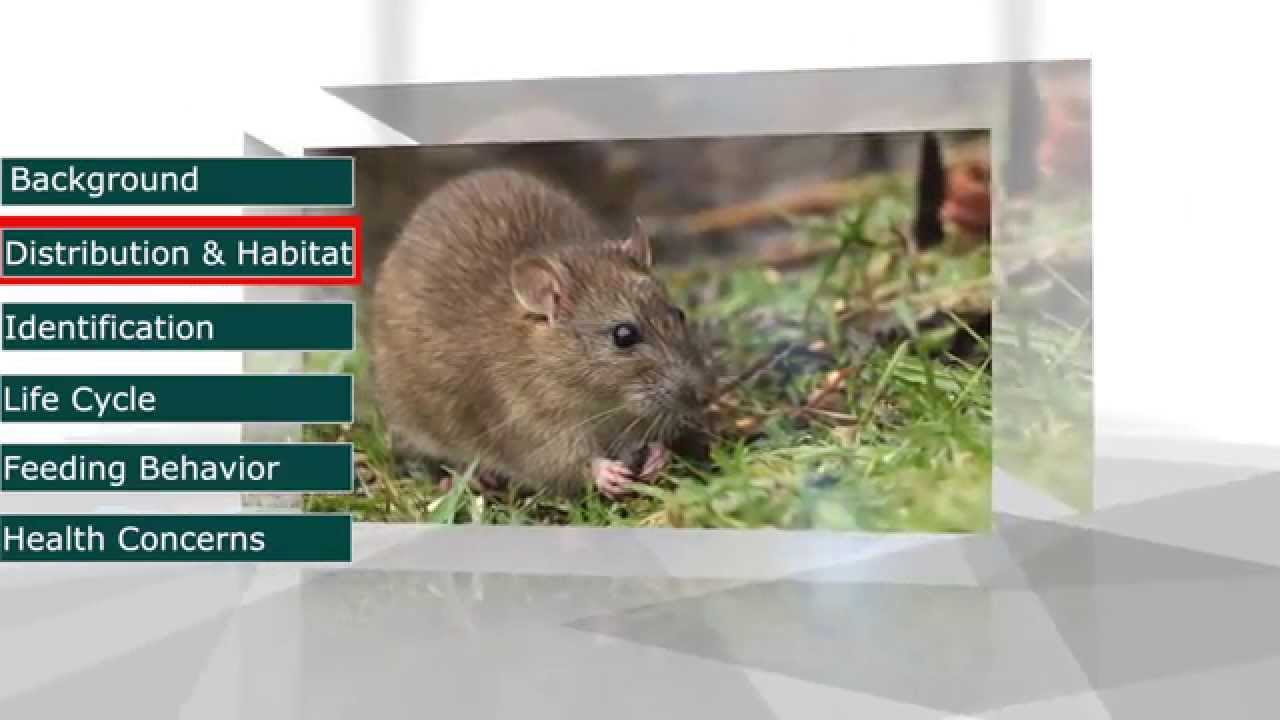
Size and Color Comparison of a Norway Rat vs. a Roof Rat
Video can’t be displayed

Contact Info
Verminator Wildife Control
Operating Hours Monday: 9am - 9pmTuesday: 9am - 9pm Wednesday: 9am - 9pmThursday: 9am-9pmFriday: 9am - 9pmSaturday: 9am - 5pmSunday: Closed
(803)300-3372
Providing efficient wildlife and pest control solutions for your home or business.
walker@verminatorsc.com
Thank you!
We have received your submission.
Error
Bad respond
Copyright © 2025. All rights reserved.

We use cookies to enable essential functionality on our website, and analyze website traffic. By clicking Accept you consent to our use of cookies. Read about how we use cookies.

Your Cookie Settings

We use cookies to enable essential functionality on our website, and analyze website traffic. Read about how we use cookies.

Cookie Categories
Essential

These cookies are strictly necessary to provide you with services available through our websites. You cannot refuse these cookies without impacting how our websites function. You can block or delete them by changing your browser settings, as described under the heading "Managing cookies" in the Privacy and Cookies Policy.

Analytics

These cookies collect information that is used in aggregate form to help us understand how our websites are being used or how effective our marketing campaigns are.